 UAE
UAE
Indoor Gardening : Techniques, Benefits and Best Practices
Frequently Asked Questions
Indoor gardening is the practice of growing plants inside homes, offices, greenhouses, or controlled environments using natural or artificial light. Indoor gardening can include ornamental plants, herbs, vegetables, hydroponics, and vertical farming systems.
Indoor gardening offers several benefits, including: Improved air quality Stress reduction Year-round plant cultivation Access to fresh herbs and vegetables Better space utilization Reduced exposure to outdoor pests Indoor gardening also supports sustainable urban farming practices.
Popular indoor gardening plants include: Snake plant Pothos Basil Mint Lettuce Spinach Peace lily Spider plant The best choice depends on available light, humidity, and maintenance requirements.
LED grow lights provide the light spectrum required for photosynthesis when natural sunlight is limited. Modern LED grow lights are energy-efficient, long-lasting, and capable of supporting all stages of plant growth indoors.
Full spectrum LED grow lights are considered one of the best lighting options for indoor gardening because they mimic natural sunlight and support seedling, vegetative, and flowering stages.
Yes. Many vegetables can be grown indoors successfully, including: Lettuce Spinach Kale Tomatoes Peppers Microgreens Herbs Indoor vegetable gardening is commonly used in hydroponics and vertical farming systems.
Watering frequency depends on: Plant type Pot size Temperature Humidity Soil moisture Overwatering is one of the most common indoor gardening mistakes. Most indoor plants should be watered only when the top soil layer feels dry.
Hydroponic indoor gardening is a soil-free growing method where plants are cultivated using nutrient-rich water solutions. Hydroponics is highly efficient for indoor farming because it allows precise control over nutrients, water, and light.
Indoor gardening is growing rapidly in India due to: Urbanization Limited outdoor space Rising interest in organic food Sustainable living trends Indoor air quality awareness Many urban households are adopting balcony gardening, hydroponics, and vertical farming systems.
Common indoor gardening challenges include: Insufficient light Overwatering Root rot Pest infestations Poor ventilation Nutrient deficiencies Proper lighting, airflow, and watering practices help prevent these issues.
Most indoor plants grow well between: 18°C to 27°C Some tropical plants may require higher humidity and warmer conditions for healthy growth.
Yes. Many indoor plants can grow under artificial grow lights when natural sunlight is unavailable. Full spectrum LED grow lights are widely used for indoor gardening and hydroponics.
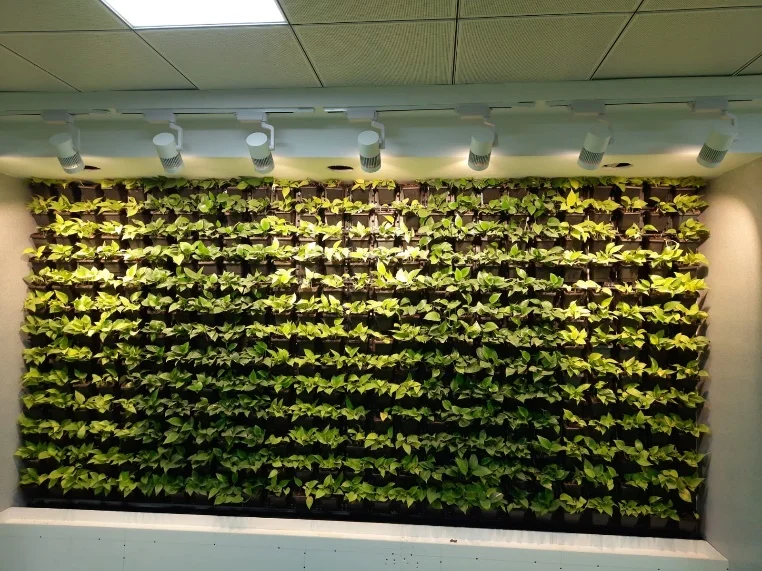
Vertical indoor gardening involves growing plants in stacked layers or vertical structures to maximize space efficiency. This technique is widely used in urban farming and indoor agriculture.
Plants commonly associated with indoor air purification include: Snake plant Peace lily Spider plant Aloe vera Areca palm Boston fern These plants are popular for homes and offices.
Best practices include: Using proper grow lights Monitoring soil moisture Ensuring good air circulation Using quality potting mix Maintaining humidity levels Regularly checking for pests Consistent environmental control improves plant health and growth.
Humidity plays an important role in plant transpiration and growth. Many tropical indoor plants prefer humidity levels between: 40% to 70% Low humidity may cause leaf drying and slower growth.
Full spectrum grow lights provide a balanced light spectrum similar to natural sunlight, supporting all plant growth stages indoors. These lights commonly include blue, red, and white wavelengths.
Indoor gardening can support sustainable agriculture by: Reducing transportation emissions Conserving water through hydroponics Minimizing pesticide use Supporting local food production Energy-efficient LED grow lights further improve sustainability.
Yes. Modern indoor gardening systems can include: Automated irrigation Smart lighting schedules IoT sensors Climate control systems Nutrient dosing systems Automation improves efficiency and reduces manual maintenance.
The future of indoor gardening includes: AI-powered farming Smart grow systems Vertical farming Controlled environment agriculture Urban food production Sustainable indoor farming technologies Indoor gardening is expected to play a major role in future food security and urban agriculture.
Related Articles
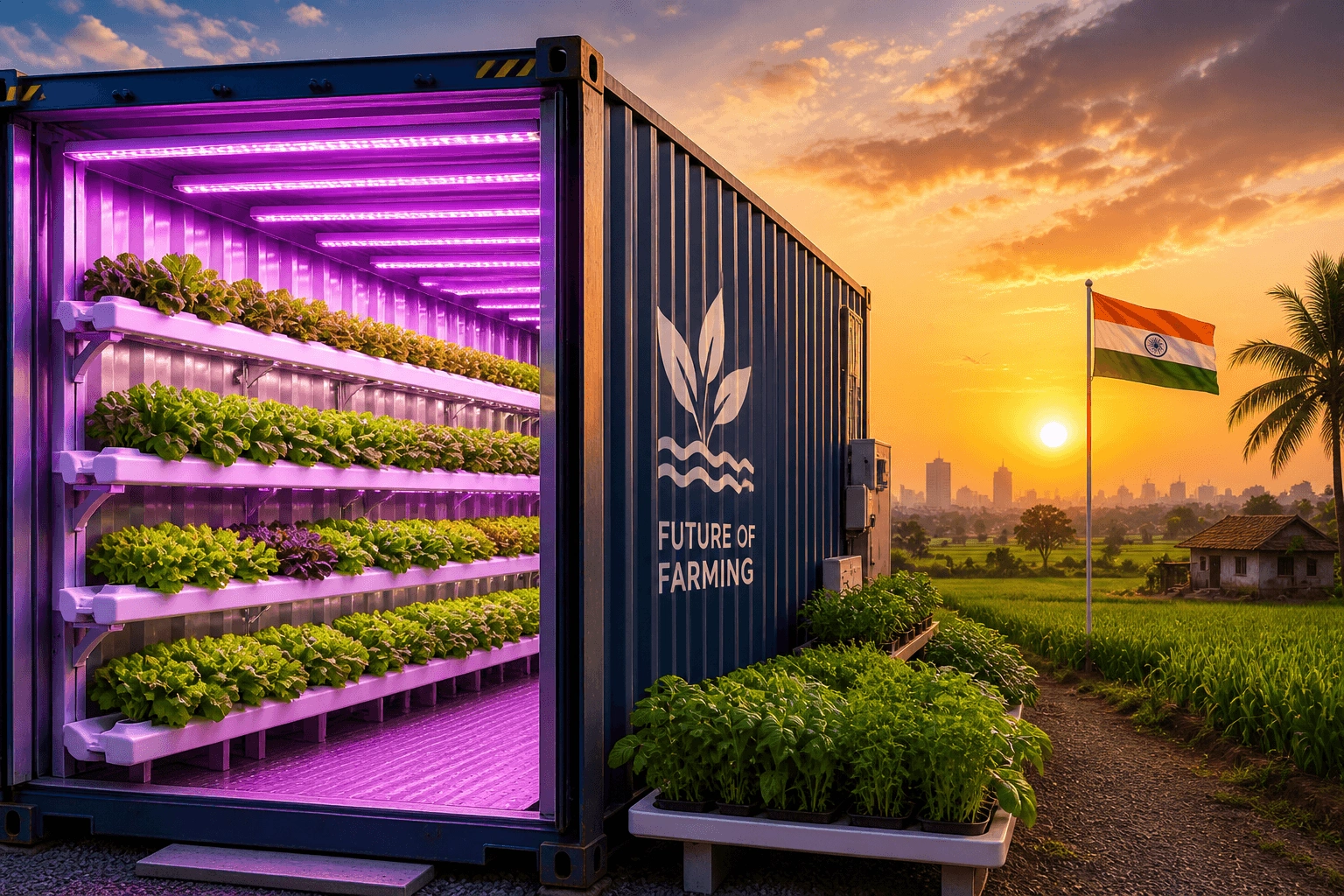
Container Farming in India: The Complete Guide to Setup, Crops & Profitability
Container Farming in India: The Complete Guide to Setup, Crops & Profitability
Artificial Light Sources: Illuminating the Path of Innovation
Artificial light sources have dramatically transformed human civilization. From the flicker of candle flames to the gleam of high-efficiency LEDs, artificial lighting has not only extended our productive hours beyond sunset but also revolutionized industries, urban landscapes, and personal lifestyle...

Labs Growing Plants from Tissue Cultures: The Role of Specialized Grow Lights
Labs Growing Plants from Tissue Cultures: The Role of Specialized Grow Lights Plant tissue culture has revolutionized agriculture, horticulture, and biotechnology by enabling the mass production of plants from a small piece of plant tissue. This technique provides numerous advantages, including dise...
Don't have an account?
Reset link sent!
Check your email for the password reset link.
Enter your email address and we'll send you a link to reset your password.
Already have an account?

Get Quote
Before You Go!
Get a free consultation from our lighting experts.