 UAE
UAE
Indoor Vertical Green Wall: A Sustainable and Stylish Way to Transform Your Space

Frequently Asked Questions
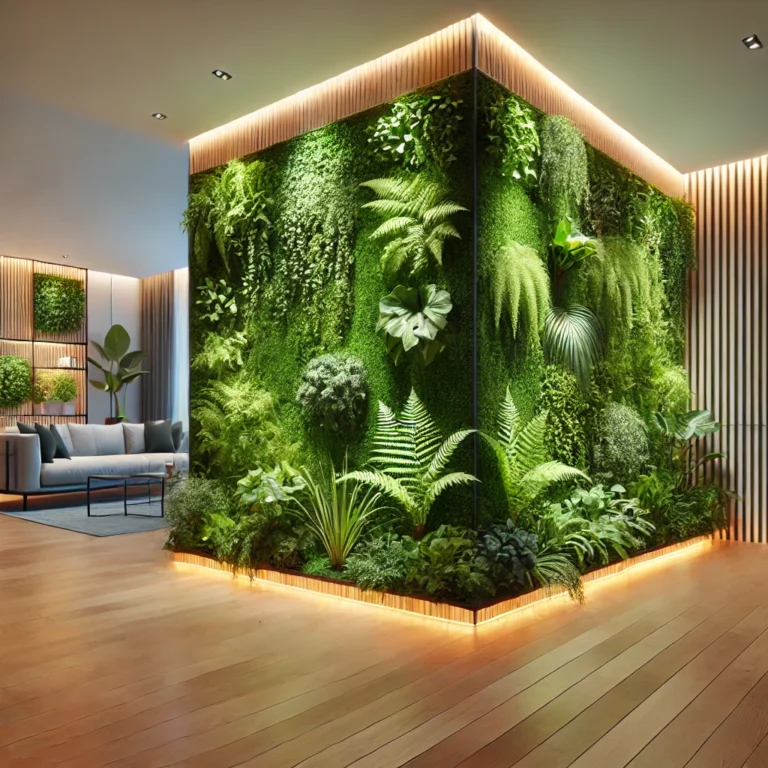
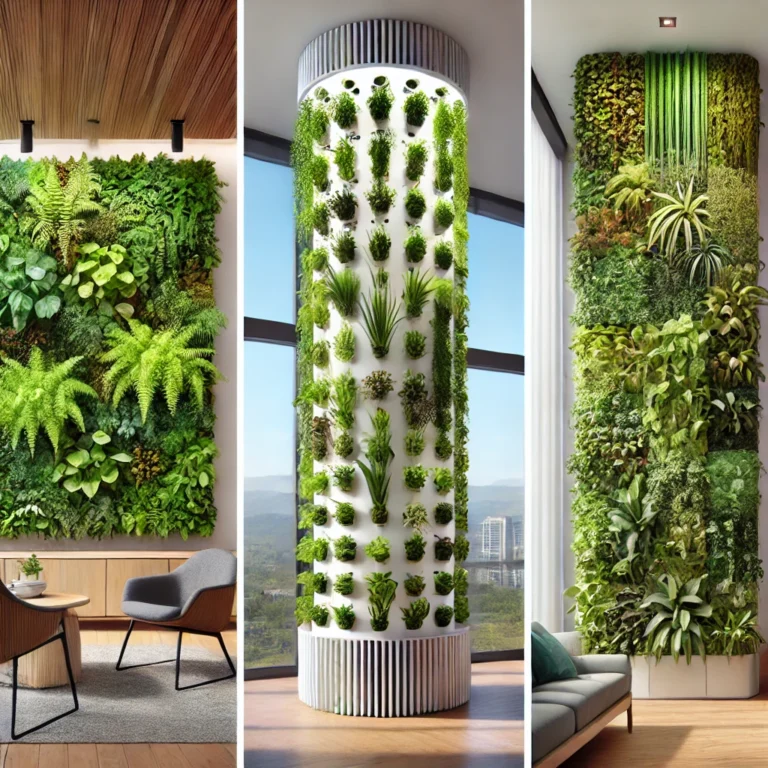
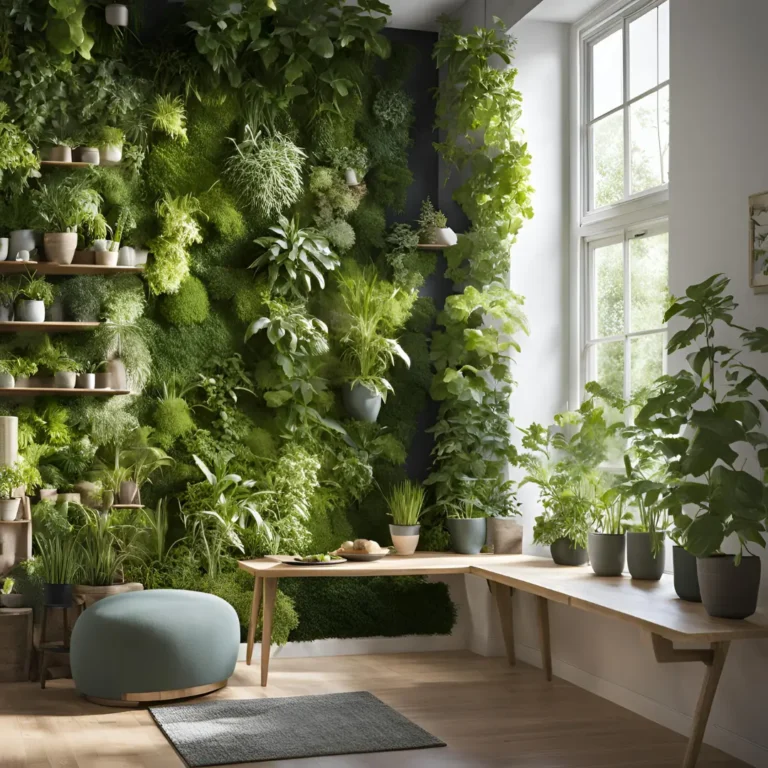
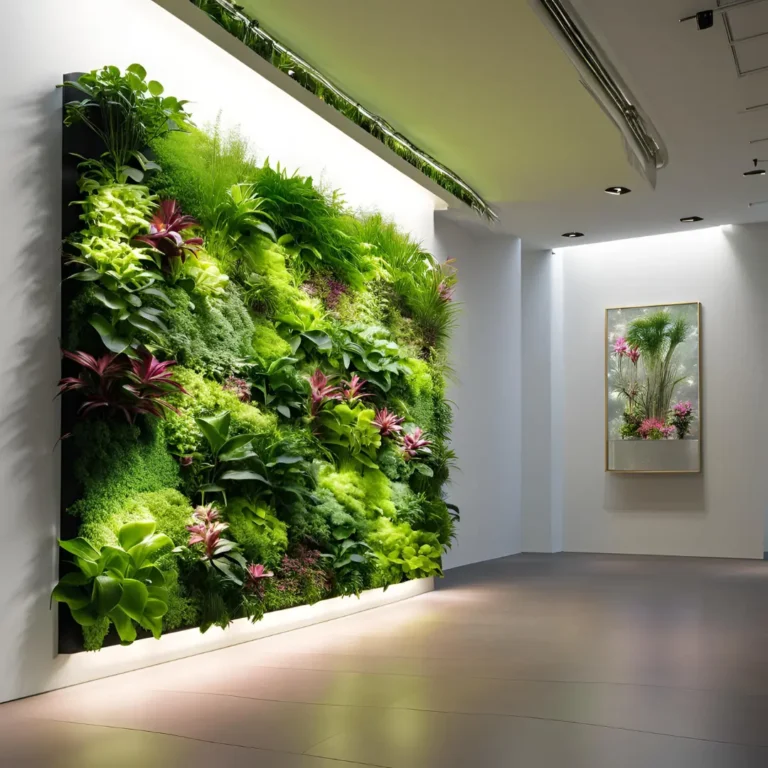
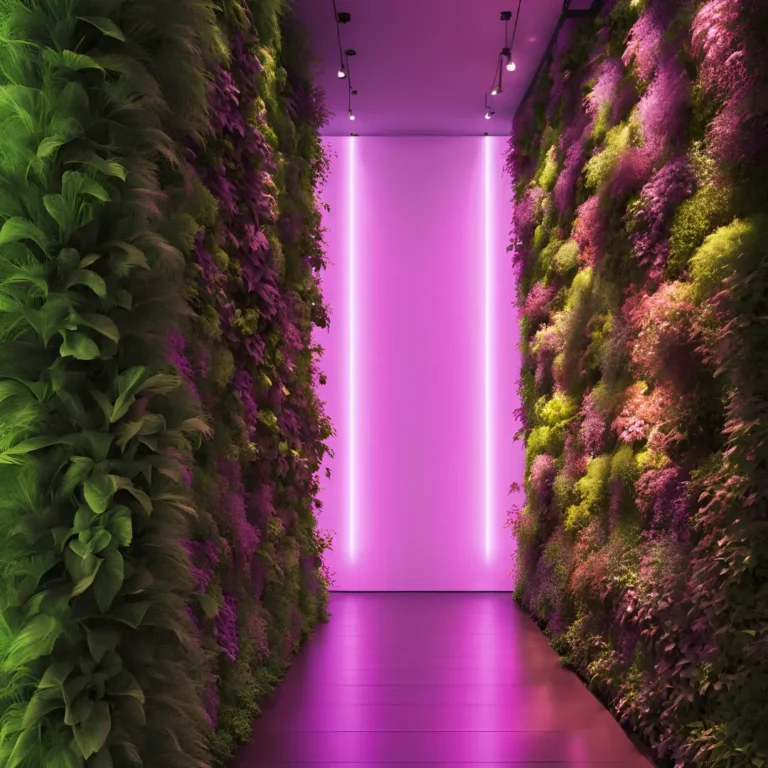
An indoor vertical green wall is a system where plants grow vertically on walls or structured panels inside homes, offices, hotels, or commercial spaces. These living walls combine aesthetics with environmental benefits such as improved air quality and space optimization.
Indoor vertical green walls improve aesthetics, enhance indoor air quality, reduce noise levels, support mental well-being, and maximize greenery in compact urban spaces.
Plants in vertical green walls absorb carbon dioxide and certain airborne pollutants while releasing oxygen, helping create a healthier indoor environment.
Popular plants for indoor vertical green walls include pothos, ferns, philodendrons, spider plants, peace lilies, succulents, and herbs because they adapt well to indoor conditions and vertical growth systems.
Yes. Indoor vertical green walls are widely used in offices because they improve aesthetics, create calming environments, reduce stress, and enhance employee well-being.
A living wall uses real plants that require irrigation, nutrients, and lighting, while an artificial green wall uses synthetic foliage for decorative purposes with minimal maintenance.
Maintenance depends on the system type and plant selection. Living walls generally require irrigation management, pruning, lighting, and nutrient monitoring, while artificial green walls require occasional cleaning only.
LED grow lights provide the light spectrum required for photosynthesis when natural sunlight is insufficient, helping indoor plants remain healthy and vibrant.
Full spectrum LED grow lights are commonly preferred because they provide balanced wavelengths, energy efficiency, low heat generation, and uniform illumination for indoor plants.
Yes. Plants and growing media in vertical green walls can absorb and diffuse sound, helping reduce indoor noise pollution in homes, offices, and commercial spaces.
Yes. Hydroponic vertical green walls use nutrient-rich water instead of soil, making them efficient, space-saving, and suitable for modern indoor environments.
Indoor vertical green walls are commonly installed in living rooms, office receptions, hotel lobbies, restaurants, balconies, and commercial interiors where they receive adequate lighting and ventilation.
Yes. Indoor green walls create visually appealing natural focal points that enhance interior aesthetics, biophilic design, and modern architectural spaces.
Indoor green walls support sustainable design by improving indoor environments, increasing greenery in urban spaces, and helping reduce heat and noise levels indoors.
The future of indoor vertical green walls includes smart irrigation systems, automated nutrient management, IoT-based monitoring, and energy-efficient LED lighting integration for sustainable indoor landscaping.
Related Articles
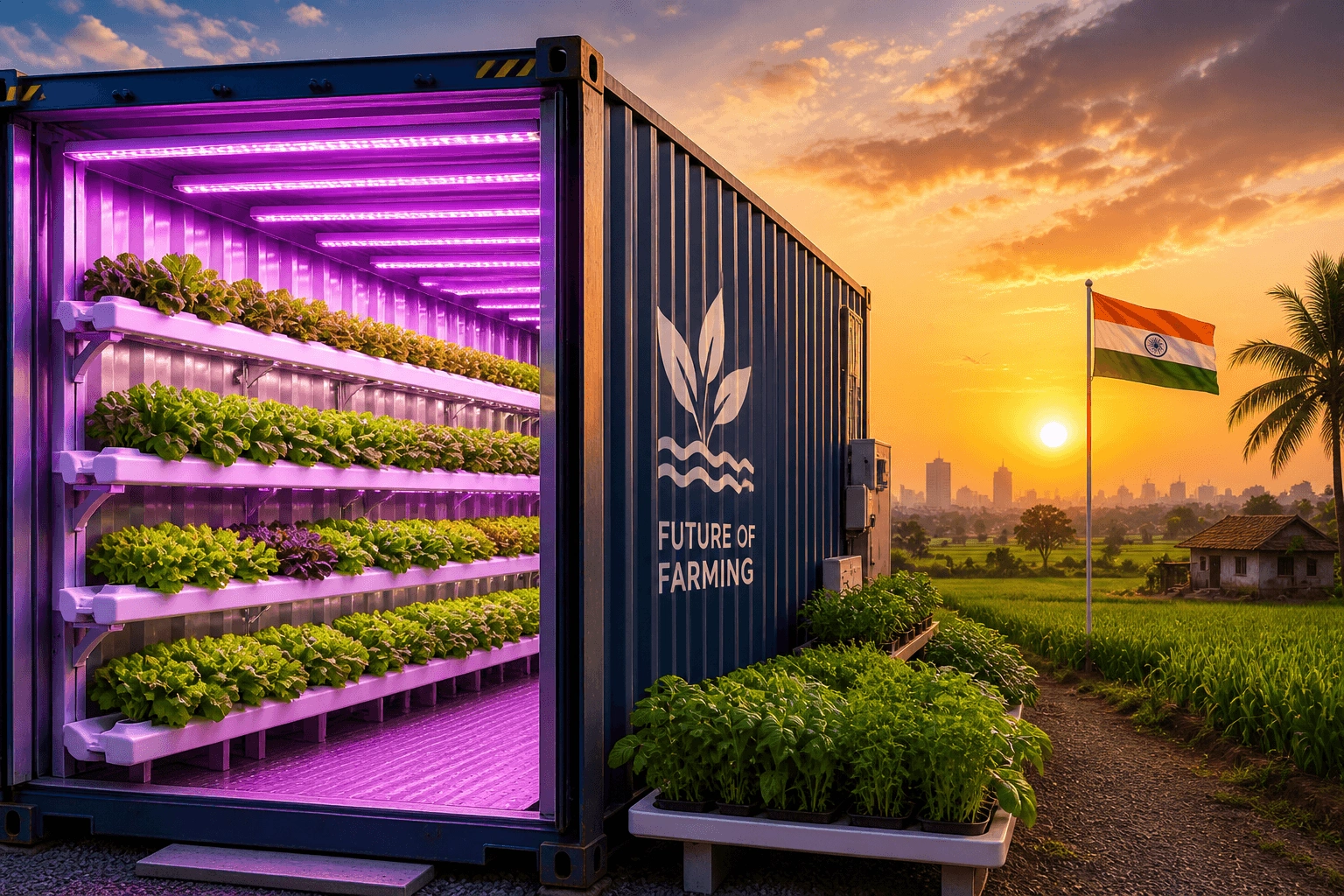
Container Farming in India: The Complete Guide to Setup, Crops & Profitability
Container Farming in India: The Complete Guide to Setup, Crops & Profitability
Artificial Light Sources: Illuminating the Path of Innovation
Artificial light sources have dramatically transformed human civilization. From the flicker of candle flames to the gleam of high-efficiency LEDs, artificial lighting has not only extended our productive hours beyond sunset but also revolutionized industries, urban landscapes, and personal lifestyle...

Labs Growing Plants from Tissue Cultures: The Role of Specialized Grow Lights
Labs Growing Plants from Tissue Cultures: The Role of Specialized Grow Lights Plant tissue culture has revolutionized agriculture, horticulture, and biotechnology by enabling the mass production of plants from a small piece of plant tissue. This technique provides numerous advantages, including dise...
Don't have an account?
Reset link sent!
Check your email for the password reset link.
Enter your email address and we'll send you a link to reset your password.
Already have an account?

Get Quote
Before You Go!
Get a free consultation from our lighting experts.