 UAE
UAE
Ultimate Guide to Indoor Strawberry Lighting: Everything You Need to Know 🍓💡
Frequently Asked Questions
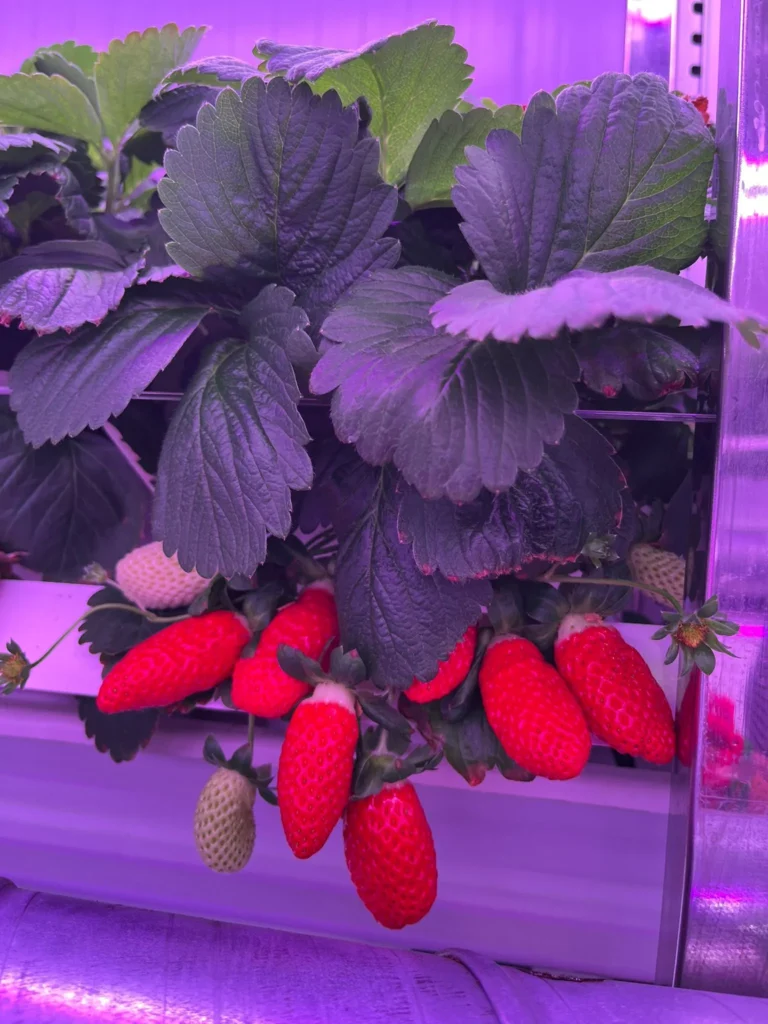
Indoor strawberries rely heavily on artificial lighting because natural sunlight is often insufficient indoors. Proper lighting supports photosynthesis, flowering, fruit development, and overall plant health.
Full-spectrum LED grow lights are commonly considered the best option for indoor strawberries because they provide balanced wavelengths, energy efficiency, low heat output, and long operational lifespan.
Indoor strawberries generally perform well at approximately 300–350 µmol/m²/s PPFD during active growth and fruiting stages.
Strawberries typically require a Daily Light Integral (DLI) between 12–25 mol/m²/day depending on growth stage, cultivar, and farming environment.
Indoor strawberry plants generally require around 12–14 hours of light daily to maintain healthy growth and consistent fruit production.
Red light supports flowering, fruit development, and efficient photosynthesis, making it important for improving strawberry yield and berry quality.
Blue light helps support compact vegetative growth, healthy leaf development, and stronger plant structure in indoor strawberry farming.
Yes. Strawberries can be grown successfully indoors year-round using suitable LED grow lights along with controlled temperature, humidity, nutrients, and airflow.
Indoor strawberry cultivation generally performs well between 18°C and 24°C with proper humidity management and air circulation.
Proper fixture placement depends on light intensity and beam angle, but maintaining balanced distance helps avoid light burn while ensuring uniform PPFD distribution across the canopy.
LED grow lights consume less electricity, generate lower heat, provide better spectrum control, and offer longer lifespan compared to traditional lighting systems.
Full-spectrum lighting supports both vegetative growth and flowering by delivering balanced wavelengths similar to natural sunlight.
Yes. Optimized lighting conditions can improve fruit size, sweetness, color development, and overall strawberry quality in indoor cultivation systems.
Common mistakes include low PPFD, incorrect hanging height, uneven light distribution, excessive heat, and improper photoperiod management.
Growers commonly use PAR meters and quantum sensors to measure PPFD and evaluate lighting performance for indoor strawberry farming.
Yes. Vertical farming systems are widely used for indoor strawberry cultivation because they maximize space efficiency and support year-round production.
Uniform lighting ensures consistent growth, balanced flowering, and equal fruit development across all plants within the cultivation area.
Yes. Automated lighting systems with timers, dimming control, and smart monitoring can improve energy efficiency and crop consistency.
Excessive heat can stress plants, increase cooling requirements, and negatively affect flowering and fruit quality in indoor farms.
The future includes smart LED systems, spectrum-tunable lighting, automation, IoT-based monitoring, and energy-efficient indoor farming solutions for optimized strawberry production.
Related Articles

How to reduce electricity cost in vertical farm?
How to reduce electricity cost in vertical farm?
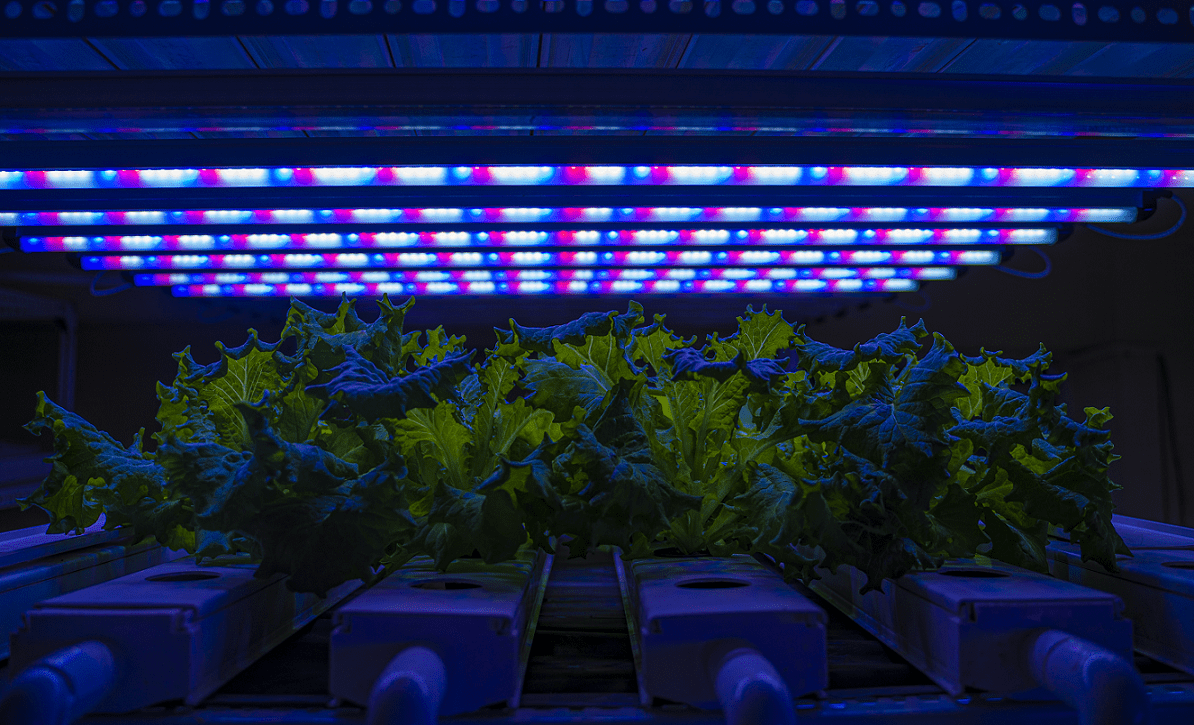
Optimizing Grow Lights for High-Quality Leafy Vegetables
Growing leafy vegetables indoors is not rocket science.However, making it profitable and sustainable is the real challenge. Over the last 10 years, we have seen many indoor farms shut down. At the same time, new agripreneurs continue to enter this space, aiming to build a viable and future-ready foo...
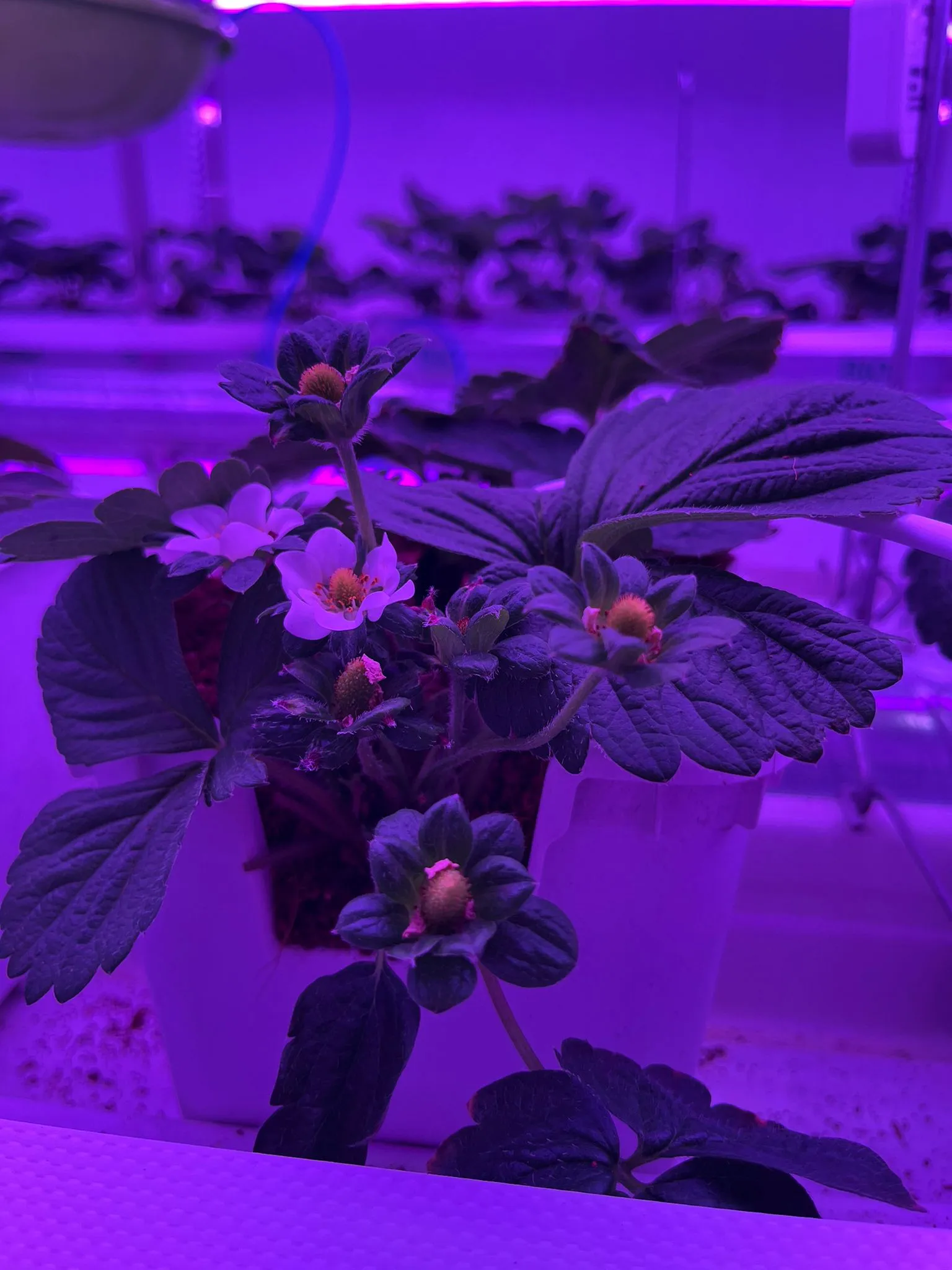
Optimized Lighting for Strawberries: Key to Higher Yield & Quality
As urban areas grow and farmland becomes limited, vertical farming is emerging as a smart solution for growing food indoors. Strawberries are one of the most popular crops grown in these farms because they require less space and can be cultivated all year round. However, since vertical farms don’t h...
Don't have an account?
Reset link sent!
Check your email for the password reset link.
Enter your email address and we'll send you a link to reset your password.
Already have an account?

Get Quote
Before You Go!
Get a free consultation from our lighting experts.