 UAE
UAE
UV Lights for Indoor Plant Growth: A Comprehensive Guide
Frequently Asked Questions
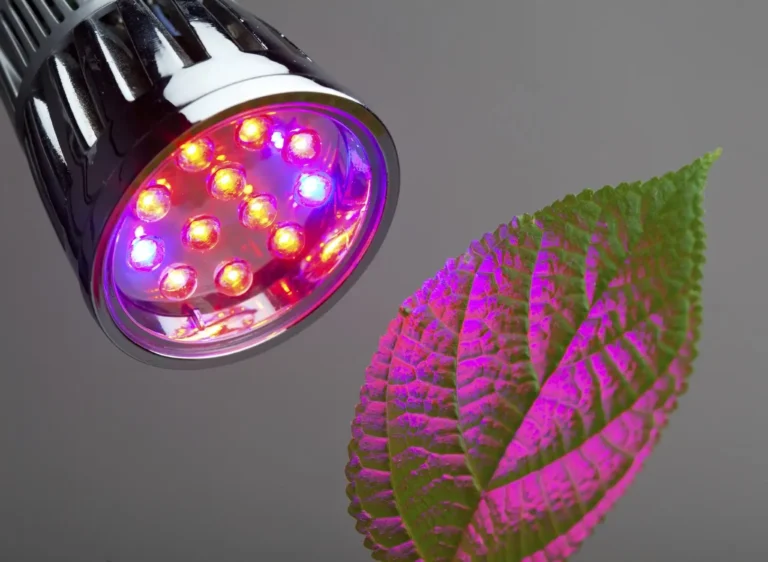
Indoor plants can grow without UV light, but a small amount of UVA or UVB exposure may improve plant quality, color, aroma, and stress resistance. UV light mimics part of natural sunlight and can enhance secondary plant responses when used correctly.
UV light can stimulate protective compounds in plants, improve pigmentation, enhance aroma and flavor, and promote compact growth. Controlled UV exposure may also strengthen plant resilience against environmental stress.
UVA (315–400 nm): Supports plant coloration and secondary metabolite production UVB (280–315 nm): Triggers stress responses and can enhance flavonoids and terpenes UVC (100–280 nm): Mainly used for sterilization and can damage plants and humans if directly exposed UVA and low UVB levels may benefit plants, while UVC is generally not used for plant growth lighting.
Excessive UV exposure can damage plant cells, reduce photosynthesis, and affect leaf health. However, controlled UV levels designed specifically for horticulture applications can provide benefits without harming plants.
Yes. Prolonged exposure to UV light may damage skin and eyes. When working around UV grow lights, growers should use protective eyewear and avoid direct exposure for long periods.
No. UV light alone is not sufficient for photosynthesis. Plants primarily require PAR light (400–700 nm), especially blue and red wavelengths, for healthy growth. UV light should only supplement a balanced grow light spectrum.
Benefits of UV grow lights may include: Improved plant coloration Enhanced aroma and flavor Increased flavonoid and terpene production More compact plant structure Better stress tolerance These effects depend on crop type and UV intensity.
Plants commonly reported to benefit from UV supplementation include: Herbs Leafy greens Medicinal plants Cannabis Strawberries Aromatic crops UV light can enhance pigmentation, essential oils, and plant quality traits in certain crops.
The best UV grow lights are horticulture-grade LED systems that include controlled UVA or UVB wavelengths as part of a balanced full-spectrum design. Many modern full-spectrum LED grow lights already include safe UV ranges.
Plants typically require only a small amount of UV light. Excessive UV can damage plants, so controlled low-intensity exposure is recommended. Some growers use approximately 1 watt of UV light per square foot of growing area.
No. Many LED grow lights focus mainly on blue, red, and white spectrums. Some advanced horticulture LEDs include small amounts of UVA for specialized crop responses.
Yes. UV exposure may increase flavonoids, anthocyanins, and terpene production, which can enhance plant color, aroma, flavor, and nutritional quality in certain crops.
UV light is not essential for hydroponic farming, but supplemental UV may improve crop quality and stress resistance when integrated properly into a full-spectrum lighting strategy.
UVC light is commonly used for sterilization and may help disinfect surfaces, water, and air systems in controlled environments. However, direct exposure to plants and humans should be avoided.
A full-spectrum grow light replicates natural sunlight by providing a broad range of wavelengths, including blue, red, far-red, and sometimes UV light, to support different stages of plant growth.
Yes. Controlled UVB exposure may stimulate plants to produce higher levels of terpenes and secondary metabolites, especially in aromatic and medicinal crops.
The ideal distance depends on light intensity and crop type. Most growers position UV grow lights farther from the canopy than standard LEDs to prevent plant stress or leaf damage.
Modern LED UV grow lights are more energy efficient than traditional UV lighting technologies because they produce targeted wavelengths with lower heat generation and longer lifespan.
Some houseplants may benefit from low-intensity UV supplementation, particularly in low-natural-light environments. However, UV exposure should remain limited and balanced with standard grow lighting.
The safest approach is to: Use horticulture-grade UV LEDs Limit exposure duration Avoid direct eye exposure Wear UV-protective eyewear Follow manufacturer recommendations This helps maximize plant benefits while reducing health risks.
Related Articles

Plant Light Intensity Measurement: Understanding Light for Optimal Growth
Introduction : Light is a crucial factor for plant growth, influencing processes like photosynthesis and development. The measurement of light intensity is important in understanding how much light plants are receiving and ensuring they get the right spectrum and intensity for optimal growth. Howeve...
Role of LED Grow Lights For Indoor Gardening In UAE & Middle East
Introduction: Indoor gardening has gained significant popularity in the UAE and the broader Middle East due to the region’s challenging climatic conditions. With high temperatures, limited rainfall, and arid landscapes, traditional outdoor gardening can be a daunting task. Enter LED grow lights, a g...

Hydroponics with LED lights in UAE
Abstract : In this study, the effect of different light emitting diode (LED) grow light wavelength and power of the LED lights on plant growth were investigated by adopting nutrient film technique of hydroponic indoor vegetable farming. Commercial LEDs are deployed in this work, and the findings ben...
Don't have an account?
Reset link sent!
Check your email for the password reset link.
Enter your email address and we'll send you a link to reset your password.
Already have an account?

Get Quote
Before You Go!
Get a free consultation from our lighting experts.